







Search Results for: group-buying blogger
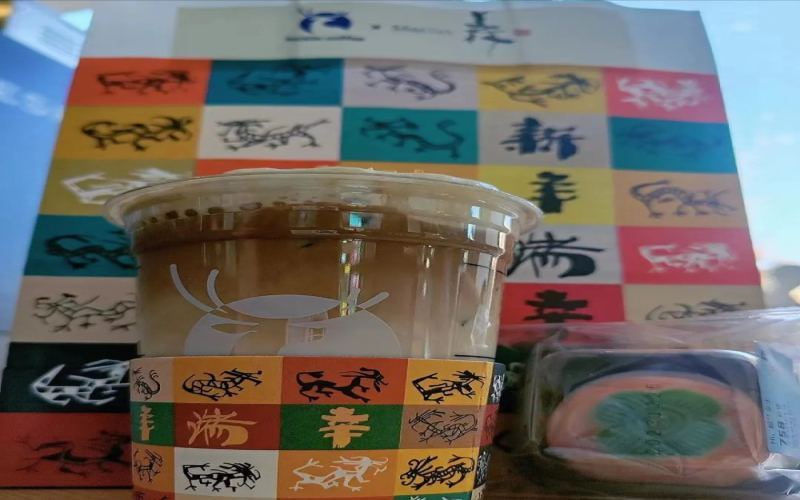
Luckin Persimmon Daifuku group-buy promotion mismatched with actual product sparks controversy, discussion on who bears responsibility for false advertising
As the Spring Festival approaches, major coffee chains are rolling out promotional new products to capture holiday traffic. After launching the Year of the Dragon sauce-flavored chocolate in a second collaboration with Moutai, Luckin Coffee quickly followed up with the Han Meilin co-branded New Year Red Dragon Latte and a matching dessert, Persimmon Daifuku. However, this dessert, which had been highly anticipated, drew complaints from consumers who said the group-buy advertising seriously mismatched the actual product, sparking heated discussion about false advertising and where responsibility lies. Some netizens argued that Luckin cannot escape blame for lax review, while others pointed out that the root cause is some group-buy bloggers using footage of other products to earn commissions. Behind the incident, the review mechanisms of brand marketing and the issue of consumer trust are worth pondering. [more…]
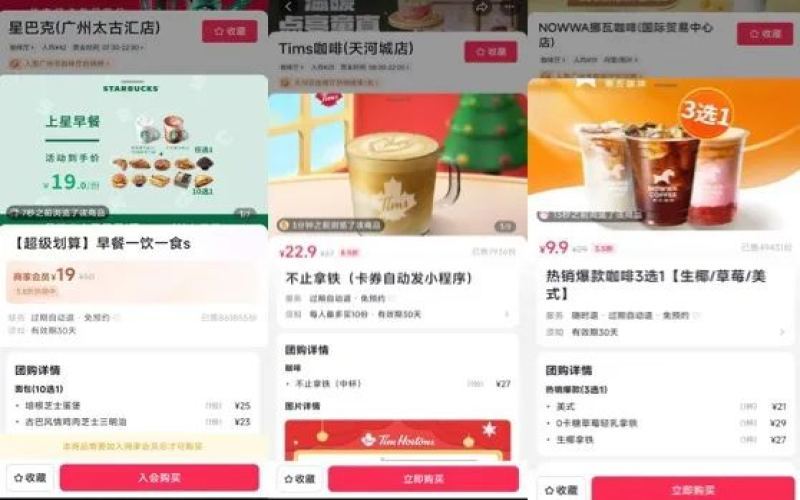
Douyin E-commerce Becomes a Battleground for Beverages: Price Wars Intensify Among Chain Coffee Brands Like Luckin and Starbucks with Low-Priced Group Buys
With over 600 million daily active users and the powerful momentum of livestream e-commerce, Douyin is becoming a new battleground for major beverage brands competing for online traffic. From Luckin and Starbucks to Manner and Tims, and further to Heytea and Nayuki, almost all well-known beverage brands have launched ultra-low-priced group-buy packages on Douyin, with prices far lower than ordering in stores or via mini-programs. Luckin's "male model squad" livestream once sparked heated discussion, with group-buy deals for Coconut Latte at only 14.5 yuan; Starbucks' 19-yuan breakfast package sold over 860,000 cups; Nayuki's 9.9-yuan single-item coffee surpassed one million orders. Behind this online price war is brands' deep strategic push for local exposure and secondary in-store consumption. This article gives you a full picture of this Douyin beverage battle. [more…]
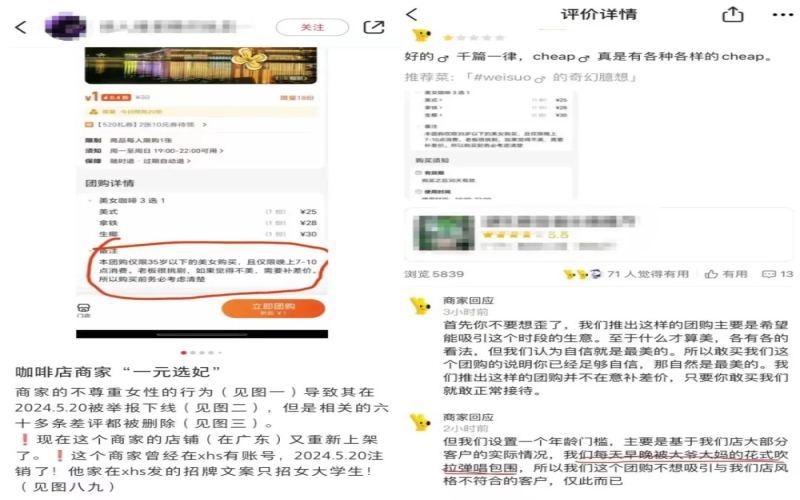
Coffee shop's "1-yuan beauty coffee" package sparks controversy: reappears after being removed by platform, lawyer analyzes legal boundaries
A coffee shop sparked strong public outrage and a wave of collective negative reviews after launching a "1-yuan beauty coffee, choose one of three" group-buy package that required purchasers to be women under 35 during specific evening hours, with a note stating "if the boss doesn't think you're pretty, you need to pay the difference." The shop once explained it wanted customers to match the store's style, but this failed to quell the controversy, and it was subsequently taken offline by the platform and had its social media account canceled. Recently, the shop relaunched, and although the controversial package had disappeared, netizens once again gave low ratings, causing it to be taken offline a second time. A lawyer from Legal Daily pointed out that the package was suspected of violating the Advertising Law and the Civil Code, while the netizens' excessive criticism may constitute cyberbullying. Front Street Coffee reminds that both merchant promotion and platform review need to strictly adhere to legal bottom lines. [more…]
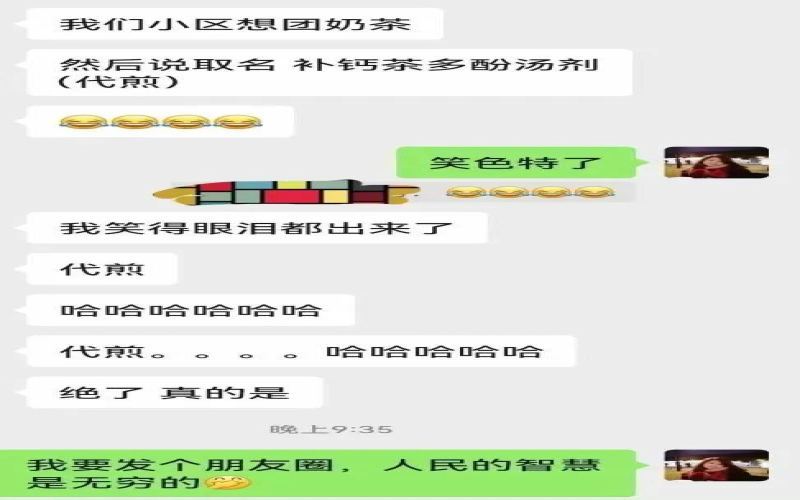
Investigation into the Cross-Province Overnight Delivery of 8,000 Cups of Yidian Dian Milk Tea to Shanghai: The High-Price Resale Chain and Food Safety Risks
During the May Day holiday, "group leaders" in several Shanghai communities organized group buys of a Little Tea, with over 8,000 cups of drinks transported across provinces from out-of-town stores, arriving in consumers' hands overnight or even after nearly 24 hours. The group-buy price was double the official price, and the resellers were accused of profiting about 250,000 yuan. The total bacterial count in these milk teas rose sharply over time at room temperature, and some consumers developed gastroenteritis symptoms after drinking them. The Little Tea brand later issued a statement expressing shock at the high-priced reselling and reminding consumers to choose compliant channels carefully. This article reviews the course of the incident, the food safety data, and responses from all parties, while also offering coffee lovers Front Street Coffee's professional purchasing advice. [more…]
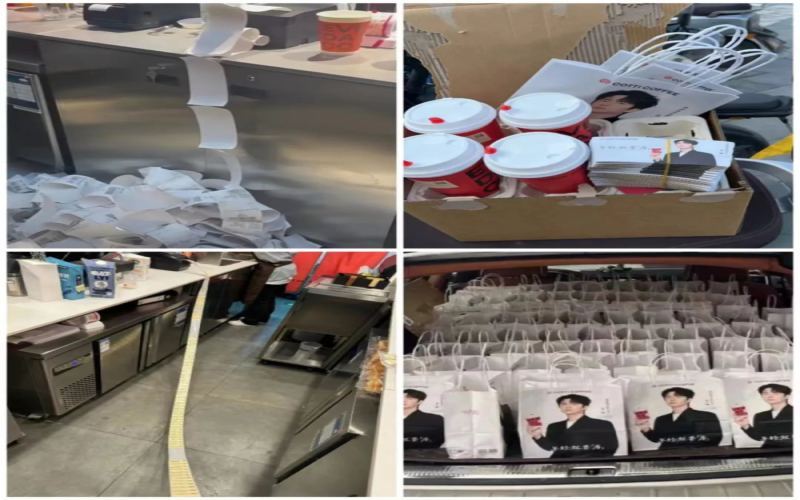
Celebrity endorsements spark hidden coffee brand wars? Can traffic-driven marketing truly retain consumers?
Competition in the coffee market is becoming increasingly fierce. The traffic-driving effects of price wars and co-branding campaigns are gradually weakening, and brands are beginning to shift their attention to fan groups willing to spend money on their idols. Recently, Cotti's official announcement of a new spokesperson triggered a surge in store orders, while a group-buy link in Luckin's livestream with a fan nickname prefix once again set public opinion abuzz. Is this a carefully planned business war or fans spontaneously generating momentum? Can celebrity endorsements bring sustained purchasing power to brands, and will they blur consumers' focus on coffee products themselves? This article will guide you through the business logic and hidden concerns behind this traffic marketing. [more…]
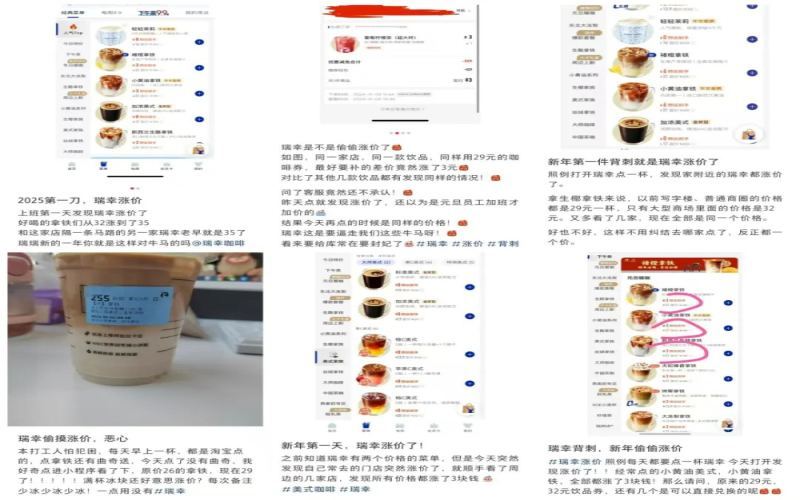
On New Year's Day 2025, prices at some Luckin Coffee stores were raised—how much longer can we still get 9.9 yuan coffee?
At the start of 2025, Luckin Coffee quietly adjusted drink prices at stores in some regions, sparking widespread discussion among consumers. Many netizens noticed that the listed price of the Coconut Latte, originally 29 yuan, rose to 32 yuan even at non-mall stores, while the rules for using cash coupons and the drinks redeemable with group-buy vouchers also changed accordingly. Although most cities remain unaffected, the scope of the 9.9 yuan discount continues to shrink. Luckin officially attributes the price adjustments to factors involving materials, transportation, and commercial districts, with store policies varying from place to place. Does this price fluctuation mean the era of affordable coffee is coming to an end? And how should consumers respond? [more…]
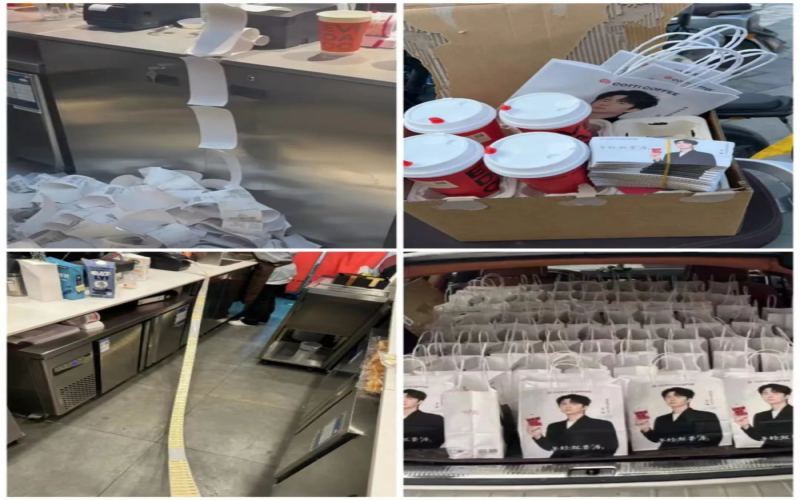
From the Cotti and Luckin endorsement controversies, a look at the new battleground in coffee brand marketing: Are traffic stars the new solution to involution?
Cotti Coffee's official announcement of a new brand ambassador triggered a surge in store orders, and Luckin Coffee's livestream channel promptly featured group-buying links that appeared to be riding the traffic. A coffee business war revolving around celebrity traffic seems to have quietly begun. As the traffic-driving effects of price wars and co-branded merchandise gradually wear off, brands are turning their eyes to fan groups willing to keep paying for their idols. Can this consumption shift from "buying the trinket while returning the pearl" to "spending for love" become a new path for coffee brands to break through? Under the halo of celebrity, will coffee itself be forgotten by consumers? [more…]
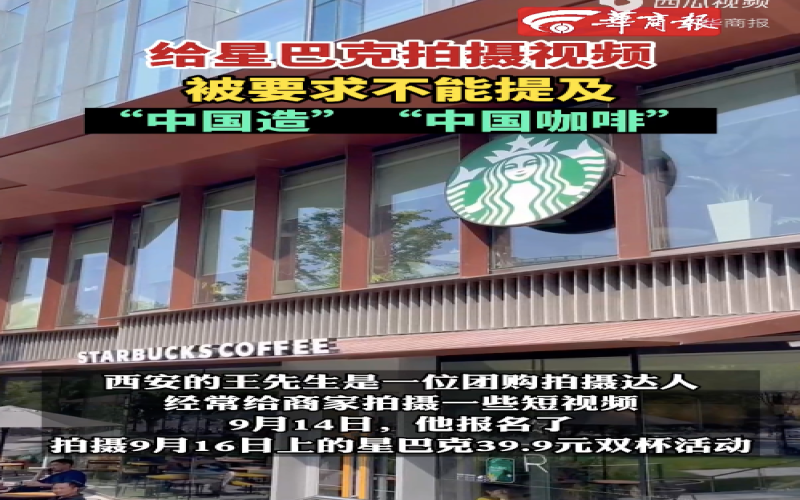
Starbucks Filming Event Exposed for Banning "Made in China" Talking Points, Participants Quit in Anger Sparking Heated Debate
Recently, a Xi'an group-buying video creator exposed that after participating in Starbucks' national talent scout recruitment and being successfully selected, they were asked to shoot a video for the 39.9 double-cup promotion launching on September 16, but the shooting requirements posted in the group explicitly stated: "Refuse to mention any wording related to Made in China or Chinese coffee." This requirement sparked dissatisfaction among many video creators, and several chose to quit the group in protest. Starbucks responded that it is verifying the matter, but as of press time has given no clear answer. The incident continues to ferment on social media, with netizens generally feeling confused. Front Street Coffee continues to follow developments in the coffee industry and brings you the latest report. [more…]
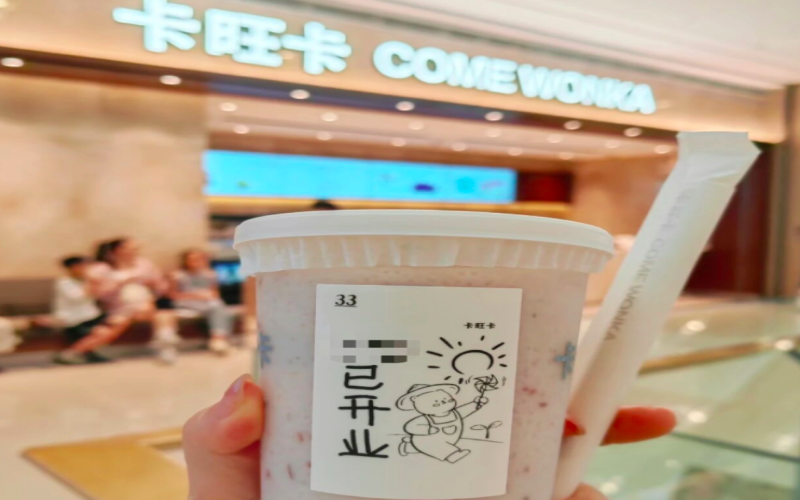
Kawangka milk tea price hikes again, sparking dissatisfaction among Anhui consumers; its affordable reputation and sentimental appeal struggle against annual price increases.
Anhui-based brand K.W.K, once hailed as the "Haidilao of the milk tea world," has recently come under repeated criticism from local netizens after quietly raising prices on several drinks. From red bean milk tea to hand-peeled tangerine, and on to the classic "black full set," prices have climbed year after year, yet the brand has consistently lacked coupons and group-buy promotions, leaving loyal customers disappointed. Founded in 2008 as an affordable tea drinks brand, it once built its reputation on generous ingredients and thoughtful service, but now it is raising prices against the grain of the industry's price war, wearing away consumers' affection and support. This article reviews K.W.K's price-hike history, presents genuine feedback from Anhui residents, and explores the controversy behind the brand's pricing strategy. [more…]

Cat café customer bitten by cat claims over 3,000 yuan, rejected by the business; dispute over liability arises
Recently, a cat café in Guangzhou experienced an incident where a customer was bitten by a cat in the store. After seeking medical treatment, the customer demanded more than three thousand yuan from the business for medical expenses and emotional distress, but the owner refused. The business claimed that the risks had been clearly stated in the group-buy package and in-store notices, and that the customer, being an adult, should not hold the store fully responsible; the customer side argued that the business had failed to fulfill its safety obligations. Both sides stuck to their own accounts, and the negotiation reached a deadlock. The incident has attracted widespread attention: when someone is scratched or bitten by a pet in a cat café, how exactly should liability be divided? As coffee lovers, when enjoying the pleasure of petting cats and drinking coffee, how can we protect our own safety? Front Street Coffee reminds you that choosing a legitimate cat café and understanding the relevant guidelines is the best way to enjoy your time interacting with cats. [more…]

Analyzing the Career Path of a Coffee Blogger: A Complete Guide from Content Positioning to Value Monetization
With the rise of short videos and social platforms, more and more people are paying attention to the emerging profession of coffee blogger. But becoming a truly valuable coffee blogger is far more than just visiting shops and taking photos. This article systematically sorts out the core issues coffee bloggers need to consider, from content positioning and category direction to value monetization, while emphasizing respect for facts as an insurmountable bottom line. Whether you want to share professional knowledge or document daily life, you can find a direction that suits you. [more…]
Raw-pickled hairy crab paired with milk tea sparks debate; blogger's staged photo shoot questioned, experts warn against imitation
Recently, a short video showing raw drunken hairy crabs being added to milk tea cream and eaten quickly spread on social platforms, sparking widespread discussion. In the video, the blogger tasted this self-created drink at a popular milk tea shop, but it was later confirmed that the blogger had brought the crabs themselves for the staged video, and the shop did not sell the product. Netizens had mixed opinions on this behavior, while experts explicitly reminded the public not to imitate it, as eating frozen milk tea together with raw crab doubles the irritation to the stomach and intestines, and misleading the public for traffic is highly inadvisable. This incident also reflects the current situation in which the new tea beverage industry frequently engages in cross-sector innovation, but if innovation loses its boundaries, especially when food safety is involved, it is worth deep reflection. [more…]
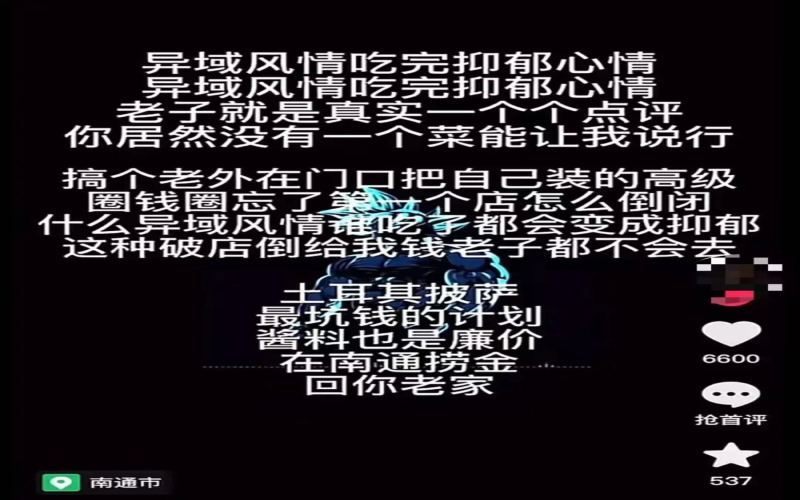
After skipping out on a 710-yuan bill, a探店 blogger apologizes and deletes the video, reigniting debate over the gray areas of influencer探店
Recently, a food exploration blogger in Jiangsu spent 710 yuan at a restaurant and left without paying. After being chased back by the waiter, the blogger posted a negative review video targeting the restaurant, and the incident quickly went viral and sparked widespread discussion. As the number of food exploration bloggers surges, chaos such as accepting money for false promotion, threatening free meals with bad reviews, and occupying seats for long periods to take photos keeps emerging. How should merchants and platforms respond? This article will recount the incident and take an in-depth look at the gray areas and industry dilemmas behind influencer food exploration. [more…]
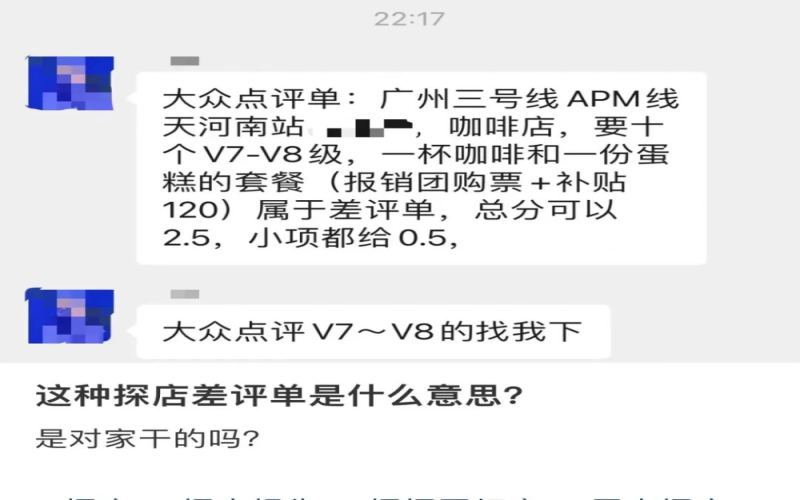
Coffee shops face malicious negative reviews and chaotic store visits: How trustworthy are consumer references now?
Before deciding which café to visit, many people are in the habit of first checking ratings online, scrolling through reviews, or watching a few探店 videos to do their homework. But when "glowing reviews aren't necessarily real, and bad reviews aren't necessarily fake" becomes the norm,探店 reviews themselves turn into a business. This article sorts through the chat records of review-bombing exposed on Xiaohongshu, several cases in recent years of探店 bloggers "flopping," as well as the payment chains and regulatory gaps in the探店 industry, and invites legal experts to offer advice on defending one's rights in cases of malicious bad reviews, dine-and-dash "霸王餐" behavior, and similar phenomena. For café owners and consumers, seeing clearly how this traffic game operates may be more important than arguing over whether a single review is real. [more…]
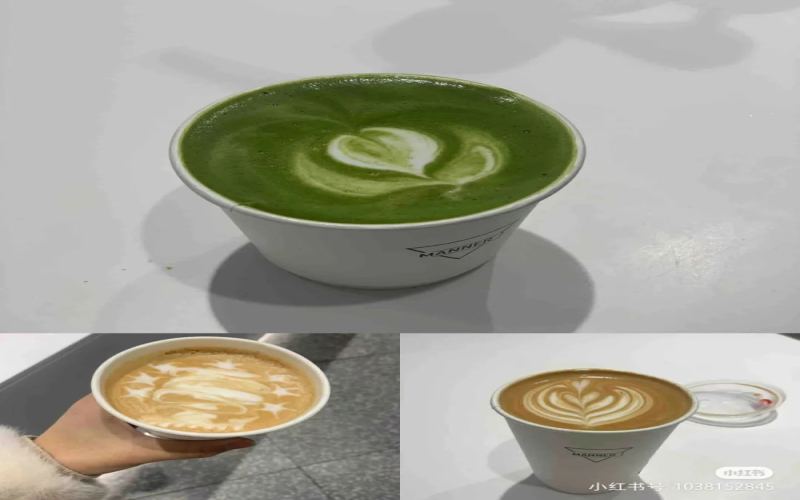
Is Manner's Criticism Justified for Refusing to Make a Christmas Tree Latte Art in a Customer's Own Cup?
During the Christmas season, the Christmas tree latte art introduced by Manner Coffee became a reason for many consumers to check in. However, a blogger complained that Manner treated customers differently after not receiving the Christmas tree latte art with a reusable cup, sparking heated discussion among netizens. Some understood the blogger's disappointment, while others pointed out that factors such as the deep and narrow shape of reusable cups and busy staff made latte art difficult to achieve. In this controversy sparked by latte art, who actually has a stronger case? What does latte art really mean for a cup of coffee? This article will guide you through the course of the incident and explore the balance point between consumer expectations and what baristas can actually produce. [more…]
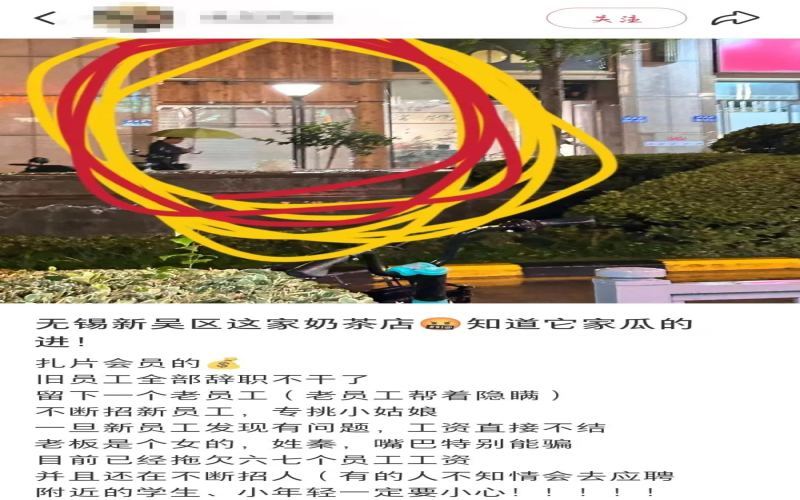
Milk tea shop community group buying involved in fraud with nearly 200 million in transaction flow; after the brand terminated cooperation, the store changed its sign and continued operating.
A bubble tea franchise store in Wuxi appears to run community group buys and membership top-ups on the surface, but behind the scenes it is suspected of large-scale fraud. Over a thousand local people have fallen victim, with transaction flows of nearly 200 million yuan, and even people in Shanghai, Zhejiang, Anhui and other places have been caught up in it. Even more surprisingly, the operator had compulsory measures changed because of pregnancy, and afterward continued to operate and keep selling low-priced products. The brand owner eventually announced the termination of cooperation and removed the signage, but the store changed its name and still opened as usual, and was still constantly hiring. What exactly is going on? What should ordinary consumers and job seekers pay attention to? [more…]
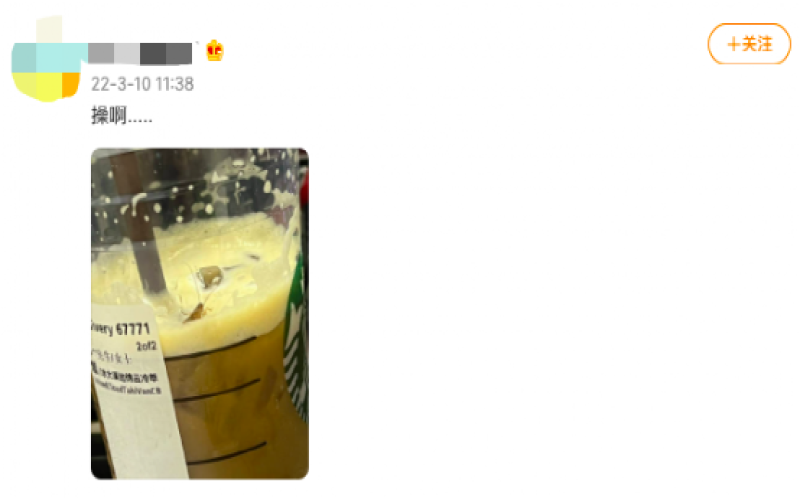
Live Cockroach Found in Starbucks Drink? Full Review of Official Investigation Results and the Entire Incident
Recently, a claim about a live cockroach being found in a Starbucks drink spread rapidly online, drawing widespread attention. On March 10, a netizen alleged discovering a live cockroach in a Starbucks Tahitian Vanilla Cloud Cold Brew iced beverage. The post was later shared by a blogger with over a million followers, and the incident quickly topped Weibo's trending list. Amid netizens' doubts and Starbucks' official investigation response, the truth remains unclear. This article will provide a complete timeline of the incident, responses from all parties, and netizen opinions, along with professional coffee knowledge exchange channels. Regardless of the outcome, food safety is always the lifeline of the food and beverage industry, and consumers should also protect their rights rationally. For more coffee news, please follow Coffee Workshop and Front Street Coffee. [more…]
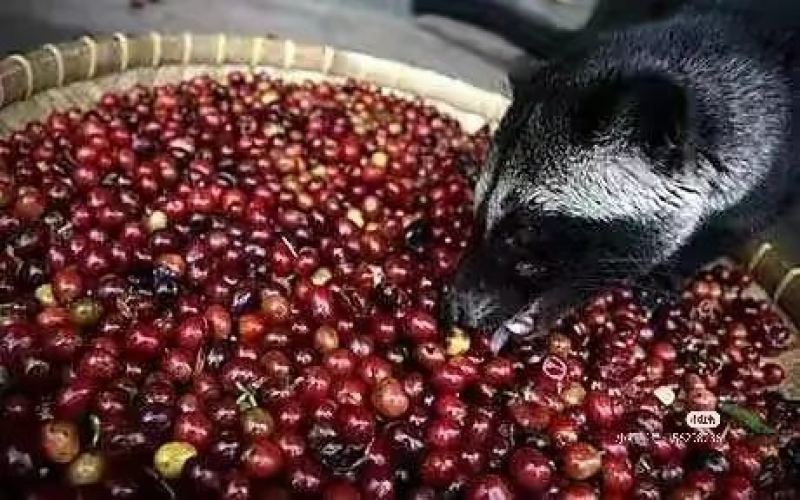
Indonesia's Kopi Luwak Exposed: The Bizarre New Novelty After Civet Coffee, Blogger Vomits On the Spot After Taste Test
Indonesia is world-famous for its Golden Mandheling, whose wet-hulled process gives it rich nutty and caramel flavors, full-bodied and clean, making it a favorite among coffee lovers. But besides Mandheling, the region also has a high-priced novelty coffee—Kopi Luwak, made from coffee beans excreted after digestion by civets. Due to limited production and strong market demand, locals have actually taken a different approach, using the excrement of other animals and even humans as raw material to make coffee, and thus human feces coffee was born. Recently, a blogger spent a large sum to buy and taste it, and vomited uncontrollably as soon as it touched his lips, sparking heated discussion among netizens. What exactly lies behind the industry chain and controversies of this kind of special coffee? This article will reveal the ins and outs of human feces coffee for you. [more…]
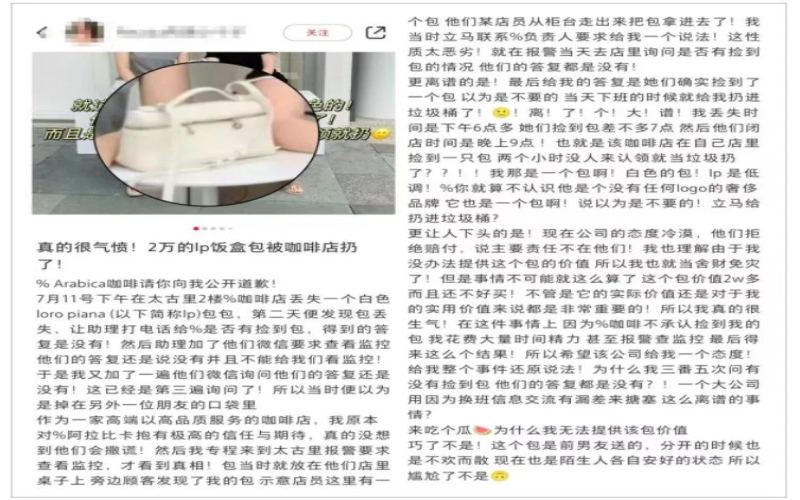
Customer's handbag worth 20,000 yuan left behind and thrown away as trash by coffee shop; store refuses to compensate, sparking dispute over liability
Recently, a netizen posted on social media about an incident in which they left their handbag behind while taking photos at a %Arabica store in a shopping mall. According to their account, the bag was found by other customers and handed to the staff for temporary safekeeping at the bar counter, but two hours later it was disposed of as trash by the employee on duty. Because the person could not provide proof of purchase or proof of the item's value, the store refused to review the surveillance footage and refused compensation. After the incident came to light, netizens engaged in heated discussion over whether lost items found by passersby should be kept by the coffee shop and whether the staff's handling was appropriate. Front Street Coffee will also continue to follow issues of property safety in such consumer settings. [more…]
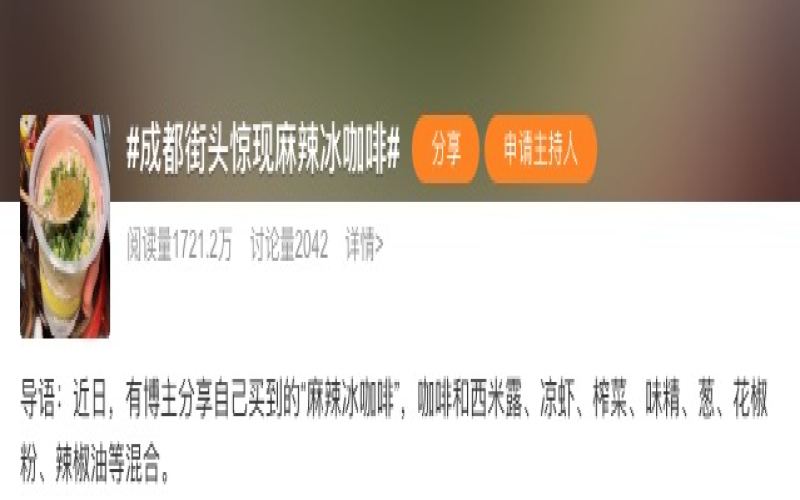
A spicy iced coffee has appeared on the streets of Chengdu, priced at 6 yuan a cup, sparking heated discussion, with netizens exclaiming they dare not try it.
Chengdu, a city famous for its spicy hotpot and skewered snacks, recently made trending news again thanks to a "spicy iced coffee." A blogger spent 6 yuan on a cup of specially made coffee on the street, only to find it contained sago, liangxia (a chilled rice-flour shrimp treat), pickled mustard tuber, monosodium glutamate, scallions, Sichuan peppercorn powder, and chili oil — an ingredient list that rivals hotpot base. The owner insisted this is a "Chengdu snack" and that adding two ladles of chili oil is the rule. The video sparked heated discussion online, with Chengdu locals saying they had never seen it and wouldn't dare drink it, while others were curious enough to try. Is this coffee creative or just absurd? Let's take a look. [more…]